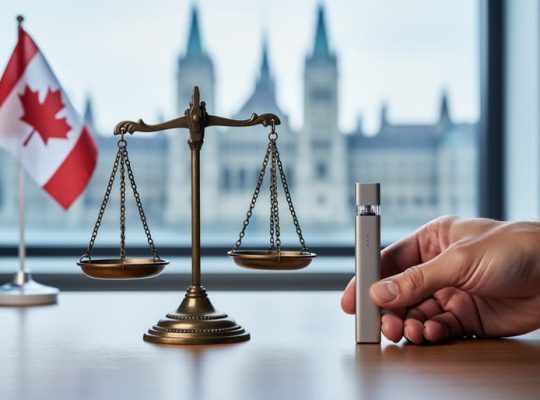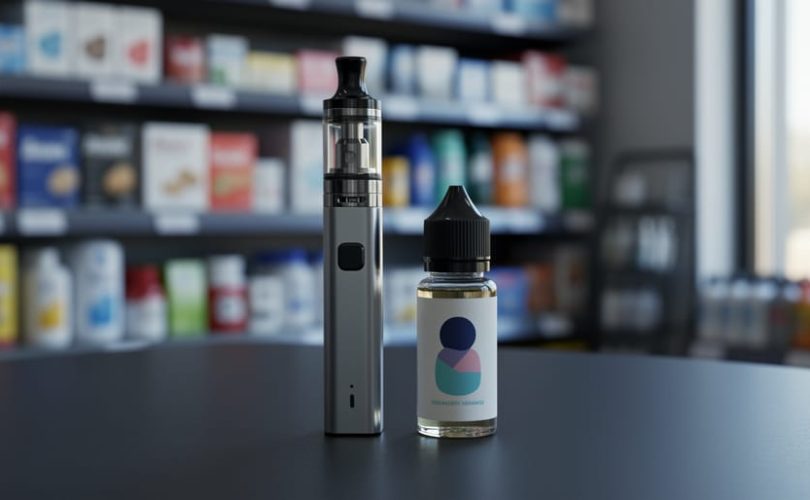
The vaping industry in 2026 stands at a crossroads, shaped by tightening regulations in some regions and market expansion in others, while millions of adults continue choosing vapor products as an alternative to combustible cigarettes. Understanding both the legal landscape and market shifts matters if you’re transitioning from smoking or simply want to know how the products you use fit into a broader, evolving picture.
The legal framework varies dramatically by location. Some countries have embraced harm reduction policies that recognize vaping’s role in helping smokers quit, while others have imposed flavor bans, taxation, or stricter age verification requirements. These regulations directly affect product availability, pricing, and what options you’ll find at your local retailer. Staying informed helps you anticipate changes before they reach your area.
On the market side, the industry has matured considerably. Product innovation now focuses on user experience, battery life, and leak-proof designs rather than chasing novelty for its own sake. We’re seeing a shift toward open-system devices favored by experienced users and streamlined pod systems designed for newcomers who just want something simple that works.
What remains constant is the community of people who’ve successfully made the switch. Take Sarah, a former pack-a-day smoker who tried quitting multiple times before discovering vaping gave her the control and gradual nicotine reduction she needed. Stories like hers remind us why these trends and laws matter: they shape whether others get the same opportunity to move away from smoking.
The Current State of the Vaping Industry
The vaping industry has traveled a remarkable distance from its early days as a niche curiosity. What began as experimental devices sold primarily in specialty shops has evolved into an established sector with products available in mainstream retail locations alongside traditional smoking cessation aids. This transformation reflects broader acceptance of vaping as a legitimate alternative for people looking to leave cigarettes behind.
Walk into any vaping shop today and you’ll encounter a dramatically different landscape than just a few years ago. The product selection has expanded far beyond the basic e-cigarette models that first appeared, now encompassing everything from disposable options designed for simplicity to sophisticated devices that let users fine-tune their experience. This diversity matters because people transitioning from smoking have varied needs, some want something that feels familiar and requires minimal learning, while others prefer more control over their journey.
The industry has matured in more than just product variety. Manufacturing standards have tightened considerably as established companies invest in quality control and transparency. Reputable manufacturers now prioritize ingredient disclosure and consistent production processes, responding to both regulatory pressure and consumer demand for trustworthy products. This shift has helped separate serious manufacturers from fly-by-night operators, making it easier for former smokers to find reliable options.
The people choosing vaping have also changed. While early adopters tended to be younger adults drawn to novelty and technology, the current consumer base includes a broader cross-section of adults at various life stages. Many are long-term smokers who’ve tried other methods without success and see vaping as their best realistic option. Others are health-conscious individuals who want to eliminate combustion from their nicotine use. This demographic broadening has pushed the industry toward products and messaging that prioritize harm reduction and smoking cessation over experimentation.
Perhaps most significantly, vaping has moved from countercultural fringe to recognized public health conversation. Healthcare providers increasingly acknowledge it as a tool worth discussing with patients who smoke. Community support networks have grown organically, with former smokers helping others navigate their transitions. The industry still faces challenges and scrutiny, but it operates today with a level of mainstream recognition that seemed improbable a decade ago.

Major Trends Reshaping Vaping
Product Innovation and Safety Improvements
Safety has become a defining priority for vaping manufacturers, and you’ll notice the difference when you pick up a device today compared to a few years ago. The industry has matured significantly, with established brands investing heavily in quality control systems that rival those of traditional consumer electronics.
Modern devices now undergo rigorous testing protocols before reaching shelves. Manufacturers have implemented batch tracking systems that allow them to trace every component in a device back to its source, a level of accountability that simply didn’t exist in vaping’s early days. If you’re transitioning from smoking, this means the products you’re considering have passed through multiple safety checkpoints designed to prevent the battery and heating element issues that generated headlines in the past.
You’ll also find that contemporary devices are designed with your experience in mind. Automatic shutoff features prevent overheating, while improved battery management systems reduce the risks associated with improper charging. Many devices now include child-resistant mechanisms and clearer usage instructions, addressing concerns that matter to former smokers who want a straightforward, safe alternative.
The shift toward standardised connections and replaceable parts has made devices more reliable and easier to maintain. Instead of disposable units of questionable provenance, you can now choose from established brands that stand behind their products with warranties and responsive customer support.
These improvements reflect an industry recognizing that its future depends on earning trust. For someone leaving cigarettes behind, that means accessing products designed by engineers focused on safety rather than just novelty, a meaningful evolution that supports your transition journey.
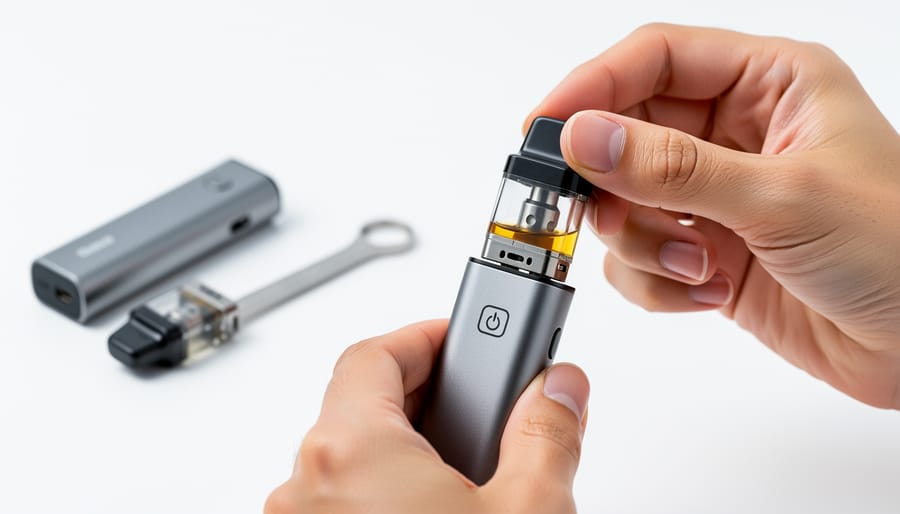
The Rise of Specialized Vaping Products
The vaping industry has moved well beyond the one-size-fits-all approach of early devices, recognizing that someone quitting a decades-long smoking habit has very different needs than an experienced vaper looking to fine-tune their experience. This shift toward specialization has made transitioning from smoking more accessible than ever, with products designed specifically for different stages of your journey.
- Starter kits with automatic draw activation that mimics the familiar sensation of smoking a cigarette
- Pre-filled pod systems that eliminate the guesswork around nicotine strength and flavor choices
- Intermediate devices offering adjustable settings as users gain confidence
- Advanced customizable systems for those who want precise control over their vaping experience
What makes this trend particularly valuable for people transitioning from smoking is how it removes common barriers to entry. You’re no longer handed a complicated device with settings you don’t understand or options that feel overwhelming. Beginner-friendly products focus on simplicity, charge it, use it, and focus on breaking the smoking habit rather than learning technical specifications. As your confidence grows and you better understand what works for your body and preferences, the industry offers a natural progression path toward devices that let you dial in exactly what you need.
This specialization extends beyond just complexity levels. Products now target specific nicotine delivery needs, with options ranging from salt nicotine formulations that provide quick satisfaction similar to cigarettes, to gradual-release systems for those tapering their intake. The result is a more supportive product landscape that meets you wherever you are in your journey away from smoking.

Changing Consumer Demographics
The vaping community looks markedly different than it did just a few years ago. Walk into a vape shop today, and you’ll encounter a much broader cross-section of people than the early adopter stereotype might suggest.
Middle-aged professionals who smoked for decades are increasingly giving vaping a try, often after unsuccessful attempts with other cessation methods. Many describe finally finding an alternative that addresses both the nicotine need and the habitual aspects of smoking. Retirees concerned about health are exploring vaping too, sometimes encouraged by younger family members or healthcare conversations about harm reduction.
The gender balance has shifted as well. More women are openly embracing vaping as a smoking alternative, moving past earlier perceptions that positioned it as a predominantly male pursuit. This shift reflects both product design improvements and broader acceptance of vaping in social contexts.
Young adults who never smoked cigarettes but picked up vaping represent a different demographic concern, though they’re distinct from the core group of former smokers making a deliberate health transition. Meanwhile, blue-collar workers, healthcare professionals, parents, and people from various cultural backgrounds all appear in the vaping community now.
This diversification matters because it reflects vaping’s evolution from niche gadget to practical smoking alternative. When people from different walks of life independently arrive at the same solution, it suggests the approach has genuine merit beyond any particular subculture or trend.
Navigating the Legal Landscape

Why Regulations Matter for Your Vaping Journey
When you’re making the switch from smoking to vaping, regulations might seem like red tape that complicates your options. But here’s a different perspective: these rules exist to protect you during one of the most important health decisions you’ll make.
Think about it this way. When cigarettes dominated the market for decades, manufacturers had enormous latitude in what they could add to their products and how they marketed them. Vaping regulations emerged from lessons learned, they’re designed to ensure that the products you’re turning to as a smoking alternative meet baseline safety standards and contain what they claim to contain.
For someone transitioning away from cigarettes, regulations provide reassurance. They mean the e-liquid you purchase has been manufactured under quality controls. They ensure you’re getting ingredient transparency so you know what you’re inhaling. They require child-resistant packaging, which matters if you have kids or grandkids around. They mandate that devices meet electrical safety standards, reducing risks of battery issues.
Rather than viewing these requirements as barriers, consider them as guardrails that help legitimize your choice. You’re already taking a positive step by moving away from combustible tobacco. Regulations help ensure that step is as safe and informed as possible, giving you confidence that the products available to you have cleared certain safety benchmarks. That peace of mind matters when you’re committing to a different path for your health.
Age Restrictions and Access Controls
Age restrictions serve a clear purpose: keeping vaping products in the hands of adults while preventing youth access. In most jurisdictions, you must be 18 or 21 to purchase vaping products legally. This isn’t arbitrary, it reflects genuine concerns about nicotine exposure during brain development and the industry’s commitment to positioning vaping as a smoking alternative for adults, not an entry point for non-smokers.
When you buy vaping products, expect to show identification. Reputable retailers, both physical stores and online vendors, verify your age before completing a sale. Online purchases typically require age verification requirements through third-party systems that confirm your age against public records or by checking your ID upload against databases. In-store, you’ll present a valid photo ID just as you would when buying alcohol or tobacco.
These measures protect the industry’s credibility and ensure that vaping remains available as the adult smoking alternative it’s designed to be. For you as a transitioning smoker, robust age controls mean you’re participating in a regulated market focused on helping adults quit smoking rather than marketing to new users.
Product Standards and Safety Requirements
Product standards and safety requirements form the backbone of a regulated vaping market, ensuring you’re purchasing products that meet consistent quality benchmarks rather than untested devices with unknown risks. These regulations typically cover everything from the materials used in heating elements to the maximum nicotine concentrations allowed in e-liquids. For someone transitioning from smoking, this means you can have greater confidence that the vaping products available through legal channels have undergone scrutiny.
Most regulated markets require manufacturers to disclose ingredients in their e-liquids, giving you transparency about what you’re inhaling. This contrasts sharply with the cigarettes you’re leaving behind, where knowing the full chemical makeup has historically been difficult. Regulations often mandate child-resistant packaging, leak-proof designs, and clear labeling of nicotine content, practical features that protect both users and non-users alike. The manufacturing practice requirements being established in various jurisdictions aim to standardize how products are made, reducing contamination risks and ensuring batch-to-batch consistency.
When you buy from reputable retailers selling compliant products, you’re benefiting from these standards even if you never read the fine print. Quality control testing, proper storage guidelines, and expiration dates all flow from regulatory frameworks designed to minimize the risks of what you’re using. Understanding this context helps you recognize why choosing legal, regulated products matters, not as bureaucratic busywork, but as genuine consumer protection during your transition away from smoking.
Marketing and Packaging Rules
When you browse vaping products, you’ll notice the packaging looks quite different from traditional consumer goods, and that’s intentional. Governments implement marketing restrictions to prevent youth appeal while ensuring adults receive clear safety information. These rules explain why you won’t see celebrity endorsements or cartoon mascots on vaping products, and why certain flavor names face scrutiny.
Packaging requirements focus on transparency and informed choice. Manufacturers must display nicotine content prominently, list ingredients, and include health warnings. The labeling and warning rules help you understand exactly what you’re purchasing. Child-resistant packaging protects households with young children, while tamper-evident seals verify product integrity.
These restrictions shape how companies communicate with you. Rather than flashy advertising, reputable brands emphasize product quality, testing standards, and customer education. You’ll find detailed information on websites and in stores, though it’s presented factually rather than persuasively. For someone transitioning from smoking, this regulatory framework means the products you consider have met specific standards and provide the information you need to make confident choices about your smoking alternative.
Regional Differences in Vaping Laws
Vaping regulations aren’t uniform across different regions, they can vary dramatically depending on where you live. What’s perfectly legal in one area might be restricted or even prohibited in another. This patchwork of rules exists because governments at various levels, national, state, and local, approach vaping regulation differently based on their public health priorities and political landscapes.
Some regions treat vaping products similarly to traditional tobacco, while others create distinct regulatory categories. You might find differences in where you can vape publicly, what nicotine strengths are available, which flavors can be sold, and even what types of devices are permitted. These variations reflect different approaches to balancing adult access to smoking alternatives with concerns about youth uptake.
Understanding your local laws matters for practical reasons. You don’t want to unknowingly purchase products that aren’t legal in your area, or find yourself unable to use your device in places where you assumed it would be allowed. If you travel regularly, being aware that rules change across borders helps you plan accordingly, what you bring home from a trip might not be compliant where you live.
Rather than trying to memorize specific rules that might change, focus on knowing where to find current information. Local vape shops often stay informed about area regulations, and online vaping communities frequently discuss legal updates. Making it a habit to check for regulatory changes a few times a year keeps you prepared and ensures your transition from smoking stays on solid legal ground.
What These Changes Mean for You
All these changes happening in the vaping industry aren’t just abstract developments, they directly impact your journey away from cigarettes. Whether you’re considering the switch or already using vaping as your alternative, you’re entering the market at a better time than ever before.
Think about what industry maturation means for you practically. The devices available today are more reliable than first-generation products, thanks to years of user feedback driving design improvements. Safety standards mean the e-liquids you purchase from reputable vendors undergo quality checks that simply didn’t exist in the industry’s early days. You’re less likely to encounter the trial-and-error frustrations that early adopters faced because manufacturers have learned what works for people transitioning from smoking.
The regulatory frameworks, while sometimes feeling restrictive, actually work in your favor. Age verification ensures you’re purchasing from legitimate retailers. Ingredient disclosure requirements mean you can make informed choices about what you’re inhaling. Manufacturing standards reduce the risk of poorly made products entering the market. These aren’t bureaucratic hurdles, they’re guardrails that make your transition safer and more predictable.
Sarah, who switched from a pack-a-day habit three years ago, puts it this way: “When I first tried vaping, I worried about the unknowns. Now there’s so much more transparency. I can research products, understand what’s in them, and feel confident I’m making the right choice. The industry growing up meant I could take it seriously as a genuine alternative.”
The expanding range of products tailored to different needs means you’re more likely to find something that fits your preferences and budget. Whether you want something simple and cigarette-like or a more customizable experience, options exist that didn’t five years ago. Regulations haven’t stifled innovation, they’ve channeled it toward products that genuinely serve people trying to quit smoking rather than gimmicks chasing trends.
Looking Ahead: Staying Informed
Keeping pace with vaping developments doesn’t require constant monitoring, but knowing where to look when questions arise makes a real difference. The industry moves quickly enough that information from even a year ago may not reflect current products or rules.
Start with official sources when you need clarity on regulations. Your local health department or government consumer protection agency maintains current information about what’s legal in your area. These resources cut through confusion when you’re wondering about new restrictions or requirements. Many have email notifications you can sign up for if you want updates delivered directly.
For industry news and product developments, established vaping advocacy organizations often provide balanced coverage of what’s changing and why it matters. These groups track both innovation and regulation, helping you understand how shifts might affect your options as a consumer. Look for organizations with transparent funding and a track record of accuracy rather than sensationalism.
Online vaping communities can be valuable for real-world perspectives, but approach them thoughtfully. Forums and discussion groups offer insights from other people navigating the transition from smoking, sharing experiences with different products and local regulatory environments. However, verify any specific legal claims through official sources rather than relying solely on anecdotal reports.
If you work with a local vape shop, ask staff about changes affecting products you use. Reputable retailers stay informed about both legal requirements and new developments that benefit their customers. They can often explain what’s coming down the pipeline and how it might impact availability or features.
The key is having a few trusted sources you can check when something shifts, rather than feeling you need to follow every development. Stay curious without getting overwhelmed, and you’ll navigate changes confidently.
Understanding where the vaping industry stands and how regulations shape it isn’t just academic knowledge, it’s practical wisdom that helps you make better choices on your smoke-free journey. When you know why certain products meet specific standards or why age verification exists, you’re not just following rules. You’re participating in an ecosystem designed to support safer alternatives to smoking.
The industry’s direction is genuinely encouraging. Manufacturers are investing in quality and transparency. Regulators are working to protect consumers while keeping legitimate products accessible. This combination creates an environment where your transition from cigarettes has more support, better options, and clearer information than ever before.
Your decision to explore vaping as a smoking alternative puts you at the centre of this evolving landscape. The trends we’ve discussed, improved safety features, products designed for people exactly like you, and thoughtful legal frameworks, all work in your favour. They make it easier to find reliable products and trustworthy information.
Staying informed doesn’t mean obsessing over every regulatory update or industry development. It means checking in occasionally, asking questions, and using resources that translate complex changes into practical guidance. The vaping community and educational platforms exist to help you navigate these waters confidently.
Keep exploring, keep learning, and remember that every step toward understanding this industry is a step toward making choices that truly serve your health goals. You’ve got this.