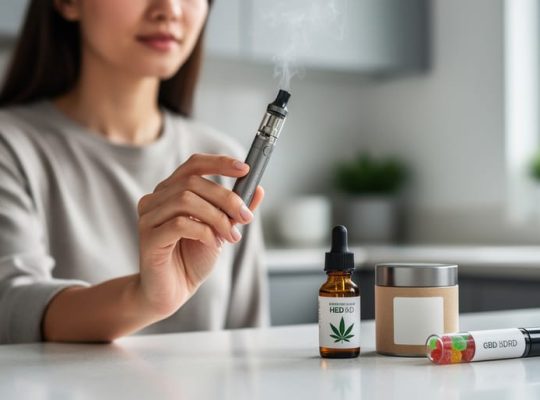
You don’t need to rely on vaping or smoking to manage cravings or stress. Evidence-based alternatives exist that can help you reduce or quit nicotine entirely, including prescription medications with proven success rates, behavioral therapies that address habit patterns, and nicotine replacement products designed for gradual weaning. The most effective path typically combines two or three methods, raising your chances of success by up to 60% compared to willpower alone.
If you’ve been considering moving away from vaping, you’re part of a growing group looking beyond the options marketed heavily over the past decade. Changes in vaping regulations health concerns, or simply the desire to break free from nicotine dependency have pushed many to explore other routes. The good news? You have more proven tools at your disposal in 2026 than ever before.
This article breaks down practical alternatives backed by research and real success stories. We’ll walk you through medical interventions your doctor can prescribe, behavioral techniques that rewire habit loops, natural methods that support your body during withdrawal, and community resources that provide accountability when motivation dips.
Whether you’re trying to quit cold turkey or taper gradually, the right combination of strategies makes all the difference. Some people find prescription medications like varenicline or bupropion give them the edge they need. Others swear by cognitive behavioral therapy or mindfulness apps that help manage triggers. Many discover that nicotine patches combined with support groups provide the structure and encouragement to stay on track.
What follows isn’t a one-size-fits-all solution. It’s a comprehensive toolkit you can customize based on your lifestyle, budget, and readiness to change.
How We Chose These Alternatives
We didn’t simply round up every option mentioned online. Instead, we evaluated alternatives using clear, practical standards that matter when you’re actually trying to beat nicotine cravings.
Our selection criteria included:
- Evidence-based effectiveness in managing cravings and supporting cessation
- Ease of access, whether over-the-counter, by prescription, or through community resources
- Safety research and known risk profiles compared to smoking
- Cost considerations and insurance coverage possibilities
- Compatibility with different quit styles, from gradual reduction to cold turkey
We drew on published research, clinical guidelines, expert input from cessation counselors and harm-reduction specialists, and real feedback from people navigating the quit journey. This isn’t hands-on product testing of every patch or pouch, it’s a curated overview informed by what works in the real world and how industry changes are shaping available options in 2026.
What works brilliantly for one person might not click for another. Your biology, smoking history, triggers, and lifestyle all play a role. Think of these alternatives as a toolkit: you might try one, combine a few, or pivot until something sticks. The goal is finding your path, not forcing a one-size-fits-all solution.
1. Nicotine Replacement Therapy (NRT), FDA-Approved and Widely Accessible
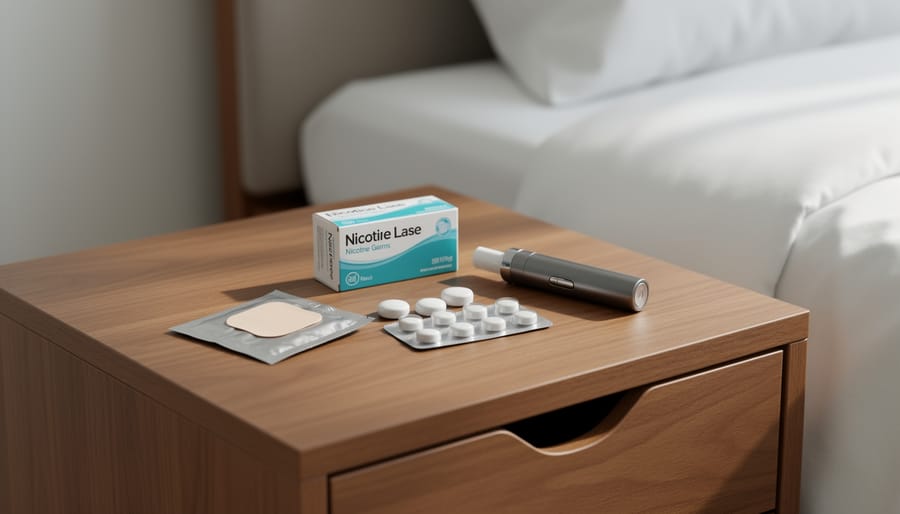
Nicotine Replacement Therapy remains the most studied and accessible alternative to smoking and vaping, and for good reason: it works. NRT products, patches, gum, lozenges, and inhalers, deliver controlled doses of nicotine without the tar, carbon monoxide, or vapor you’d get from cigarettes or e-cigarettes. The idea is simple: satisfy your body’s craving for nicotine while breaking the hand-to-mouth habit and the ritual of lighting up or puffing on a device.
Patches are the set-it-and-forget-it option. You stick one on your arm or torso each morning, and it releases a steady stream of nicotine through your skin over 16 or 24 hours. This baseline coverage helps prevent severe cravings throughout the day. Gum, lozenges, and inhalers give you something to do with your hands and mouth when a sudden urge hits. Gum requires a specific chewing technique (chew slowly, park it between cheek and gum) to release nicotine effectively. Lozenges dissolve on their own, making them discreet for work or social settings. Inhalers mimic the hand-to-mouth action of smoking, which some people find psychologically comforting.
Research shows NRT roughly doubles your chances of quitting compared to willpower alone, with success rates climbing when you pair it with counseling or a quit app. All these products are available over the counter at pharmacies and online, though consulting a doctor or pharmacist can help you tailor the approach. Real-world users report the first week is the hardest, but having multiple NRT tools on hand and a behavioral plan in place makes the difference between a tough few days and a full relapse.
2. Nicotine Pouches, Tobacco-Free and Discreet

Nicotine pouches are small, pre-portioned pouches that you place between your lip and gum, where they release nicotine through the oral mucosa. Unlike snus or traditional chewing tobacco, they contain no tobacco leaf at all, just nicotine, plant fibers, flavorings, and sweeteners. This tobacco-free profile has driven their surge in popularity over the past few years, especially among people looking to step away from smoking and vaping without giving up nicotine entirely.
The appeal is straightforward: no smoke, no vapor, no spitting. You can use them almost anywhere, at work, on a plane, in meetings, without drawing attention or disrupting others. They come in a wide range of nicotine strengths, typically from 3 mg up to 15 mg per pouch, allowing you to tailor your intake to match your current dependence level. Brands like Zyn, On!, and Velo offer dozens of flavors, from mint and citrus to coffee and berry, making the experience more palatable than medicinal NRT options for many users.
From a harm-reduction standpoint, nicotine pouches eliminate the combustion and inhalation risks associated with smoking and vaping. While they’re not risk-free, nicotine itself is addictive and affects cardiovascular health, they represent a significant step down the risk ladder. Many people use them as a transitional tool, gradually reducing pouch strength over time, or as a discreet backup when they can’t vape or smoke.
The key is honest self-assessment. If pouches help you stay off cigarettes or reduce vaping, they’re serving their purpose. Just be mindful that they’re still delivering nicotine, and the goal for most people remains eventual freedom from dependence altogether.
3. Behavioral Therapy and Counseling, Tackling the Habit, Not Just the Chemical

Nicotine is only half the battle. The ritual of lighting up, the post-meal smoke break, the way your hand reaches for a vape during stressful moments, these ingrained behaviors can sabotage your quit attempt even after the physical cravings fade. That’s where behavioral therapy steps in, treating the habit as a learned pattern you can unlearn.
Cognitive-behavioral therapy (CBT) is the gold standard here. It helps you identify your personal triggers, whether that’s morning coffee, driving, or anxiety, and teaches you concrete coping strategies to break the association. A CBT therapist doesn’t just tell you to resist cravings; they walk you through reframing thoughts, practicing alternative responses, and building confidence in your ability to choose differently. Studies show people who combine CBT with nicotine replacement have roughly double the success rate of those relying on willpower alone.
You don’t need to commit to months of in-person sessions to benefit. Quitlines like 1-800-QUIT-NOW offer free phone coaching tailored to your schedule, while apps such as Quit Genius and Smokefree use CBT principles in daily micro-lessons and craving trackers. Group support, whether through local cessation programs or online communities, adds accountability and shared wisdom from people who understand exactly what you’re going through.
Sarah, a 34-year-old teacher from Oregon, tried patches twice before they stuck. The difference? Eight weeks of phone counseling. “My counselor had me list every situation I’d vaped in, then we role-played alternatives,” she told us. “When I actually faced those moments, like my Friday night unwinding routine, I had a script ready instead of just white-knuckling it. The patch handled the nicotine, but therapy handled the autopilot habit.”
That combination of chemical support and mental rewiring is what makes behavioral approaches so effective. You’re not fighting yourself; you’re retraining yourself.
4. Prescription Medications, Varenicline and Bupropion

Prescription medications offer a science-backed route for people who’ve struggled with other methods or need extra support breaking free from nicotine. Two FDA-approved options, varenicline (brand name Chantix) and bupropion (Wellbutrin, Zyban), work differently from nicotine replacement by targeting the brain’s reward pathways rather than delivering nicotine itself.
Varenicline blocks nicotine receptors in the brain, which does two things: it reduces the pleasure you get from smoking or vaping, and it eases withdrawal symptoms by partially stimulating those same receptors. Think of it as occupying the parking space nicotine usually fills, but without triggering the same high. Clinical trials show varenicline roughly doubles your chances of quitting compared to going it alone.
Bupropion, originally developed as an antidepressant, affects dopamine and norepinephrine levels to curb cravings and withdrawal-related mood swings. It’s particularly helpful if you’re concerned about weight gain or dealing with low mood during the quit process. Success rates are slightly lower than varenicline but still significantly better than unassisted attempts.
Getting started requires a prescription from your doctor, who’ll assess your medical history and help you choose the right option. They’ll typically recommend a 12-week course, sometimes longer. Both medications work best when combined with behavioral support, they handle the chemical side while you tackle the habit patterns.
Be aware that side effects can include nausea, vivid dreams (with varenicline), or dry mouth and insomnia (with bupropion). Serious reactions are rare but possible, which is why medical supervision throughout treatment isn’t optional, it’s essential. Your doctor will monitor your progress and adjust dosing if needed.
These aren’t magic pills, but for many people trying to move beyond vaping CBD oil or understand how CBD works in comparison, prescription medications provide the neurological edge that makes the difference between relapse and real freedom.
5. Mindfulness and Stress-Reduction Techniques, Managing Cravings Naturally

When you’re battling nicotine cravings, your brain’s stress response often kicks into overdrive. That’s because nicotine temporarily dulls stress signals, creating a cycle where cravings and anxiety feed off each other. Mindfulness and stress-reduction techniques break that cycle by giving you tools to sit with discomfort instead of reaching for a fix. Research shows that mindfulness-based interventions can reduce smoking relapse rates by up to 31%, largely because they teach you to observe cravings without acting on them.
The beauty of mindfulness is that it doesn’t require special equipment or a prescription. When a craving hits, it typically peaks within three to five minutes and then subsides. Techniques like deep breathing and meditation help you ride that wave rather than fight it. For instance, the 4-7-8 breathing method, inhale for four counts, hold for seven, exhale for eight, triggers your parasympathetic nervous system, physically calming your body’s stress response.
Yoga offers a similar benefit by combining movement with breath work. Even a simple ten-minute stretching routine can reduce cortisol levels and shift your focus away from cravings. One former smoker I spoke with described yoga as “giving my hands something to do and my mind somewhere else to be” during those twitchy first weeks after quitting.
If you’re new to mindfulness, start small with these approaches:
- 4-7-8 breathing technique for immediate craving relief
- 5-minute guided meditations using apps like Headspace or Calm
- Body-scan exercises to identify and release tension
- Craving-surfing: mentally “ride” the urge like a wave until it passes
Apps like Quit Genius and Craving to Quit were specifically designed for people kicking nicotine, combining mindfulness training with quit-specific coaching. The goal isn’t to eliminate cravings entirely but to change your relationship with them. You learn that a craving is just a temporary sensation, not a command you must obey.
6. Herbal and Natural Remedies, From Lobelia to CBD

Herbal and natural remedies often appeal to people seeking alternatives that feel gentler or more aligned with a holistic lifestyle. Lobelia, also known as Indian tobacco, is sometimes marketed as a quit-smoking aid because it contains lobeline, a compound that binds to nicotine receptors. However, clinical evidence supporting its effectiveness is limited, and the herb can cause nausea, vomiting, and respiratory issues at higher doses. The FDA has banned lobelia from smoking-cessation products due to safety concerns, so approach it with caution and skepticism.
St. John’s Wort, a popular herbal antidepressant, is occasionally suggested for managing mood swings and anxiety during nicotine withdrawal. While some studies show it may help with mild depression, there’s no strong research linking it directly to smoking cessation. It also interacts with numerous medications, including birth control, antidepressants, and blood thinners, which makes medical consultation essential before use.
CBD products have surged in popularity as a wellness tool, and some users report that CBD helps reduce anxiety and cravings during the quit process. Early research suggests cannabidiol may influence reward pathways and stress responses, but robust clinical trials specific to smoking cessation are still sparse. In 2026, CBD is more widely available and regulated than in previous years, yet quality varies significantly between brands. Look for third-party lab testing, clear labeling of cannabinoid content, and products free from THC if you need to avoid psychoactive effects.
The bottom line with herbal remedies is this: they can complement a broader quit strategy, but they shouldn’t be your only tool. Evidence is often anecdotal rather than clinical, side effects and interactions are real, and no herb is a magic bullet for nicotine dependence.
7. Physical Activity and Exercise, Channeling Cravings Into Movement

When a craving hits, your body is sending a distress signal, and movement answers it in ways nicotine never could. Physical activity doesn’t just distract you from the urge to smoke or vape; it fundamentally alters your brain chemistry and disrupts the withdrawal cycle that keeps you reaching for a fix.
Exercise triggers the release of endorphins, dopamine, and serotonin, the same feel-good chemicals nicotine artificially stimulates. A brisk 10-minute walk can reduce cravings for up to 30 minutes, and regular exercise has been shown to cut relapse rates by nearly 30% among people quitting nicotine. Beyond the neurochemistry, movement burns off the restless energy and irritability that make early withdrawal so miserable.
You don’t need a gym membership or an elaborate routine. Walking remains the most accessible option, step outside when a craving strikes, even if it’s just around the block. The change of scenery and rhythm interrupt the mental loop of wanting to smoke. Cycling offers a similar benefit with added intensity, flooding your system with endorphins while keeping your hands occupied. Resistance training, bodyweight exercises like push-ups, squats, or holding a plank, channels nervous energy into something productive and gives you tangible progress to focus on instead of what you’re giving up.
The key is making it automatic. Pair movement with existing habits: stretch while your morning coffee brews, do calf raises while brushing your teeth, or schedule a post-lunch walk before cravings typically peak. Keep resistance bands or light weights near your couch for moments when you’d normally reach for your vape. Start small, five minutes counts, and let momentum build. Your body will begin to crave movement instead of nicotine.
8. Peer Support and Community Programs, You Don’t Have to Quit Alone

Quitting nicotine isn’t a test of willpower you need to pass alone. Peer support and community programs stack the odds in your favor by connecting you with people who understand exactly what you’re going through, and that shared experience makes a measurable difference in success rates.
‘s forums and text message programs offer free, round-the-clock access to people at every stage of quitting. You’ll find veterans celebrating years smoke-free alongside newcomers navigating their first week, all swapping tips for handling cravings during work breaks or social events. Local cessation groups, often run through hospitals or public health departments, add the benefit of face-to-face connection and scheduled check-ins that build accountability into your routine.
Online communities like r/stopsmoking on Reddit bring brutal honesty and dark humor to the process. People post their quit-day badges, share photos of money saved, and rally around members who relapse without judgment. That instant access matters when a craving hits at 2 a.m.
Accountability partners, whether a friend, family member, or fellow quitter, create a simple but powerful dynamic. Texting someone “I’m five days in and really want a cigarette” often defuses the urge. They don’t need to fix it; just knowing someone’s in your corner helps.
The motivational boost from watching others succeed can’t be overstated. When you see someone who struggled for years finally break free, it rewires what feels possible for your own quit journey.
What the Experts Say
Cessation counselors and harm-reduction researchers consistently emphasize that there’s no single “best” method for everyone. Dr. Amanda Chen, a physician specializing in addiction medicine, notes that combining approaches dramatically improves outcomes: “Patients who pair nicotine replacement with behavioral support have success rates 50 to 70 percent higher than those using one method alone.” The key is personalization. Some people respond well to the structure of NRT, while others find mindfulness techniques or peer support more effective. According to John Martinez, a certified tobacco treatment specialist, “The most successful quit plans acknowledge individual triggers, lifestyle constraints, and preferences. What works for your colleague might not work for you, and that’s completely normal.”
Experts also stress patience and flexibility. Cravings typically peak within the first two weeks but can resurface during stressful periods for months afterward. If one alternative doesn’t feel right after a fair trial, switching or layering methods is encouraged, not failure. While cost and duty considerations can influence product access, many evidence-based options, quitlines, free apps, community groups, are available at no charge, making personalized support accessible to most people ready to quit.
Finding Your Best Path Forward
Choosing to move beyond smoking and vaping is a courageous step, and there’s no single “right way” to make it happen. What works for your colleague or your sibling might not work for you, and that’s completely normal. The eight alternatives we’ve explored, from FDA-approved NRT and prescription medications to behavioral therapy, mindfulness practices, and peer support, offer different entry points depending on your lifestyle, triggers, and personal preferences.
Many people find their best results come from experimenting with combinations. You might use nicotine pouches to handle immediate cravings while attending counseling sessions to address the deeper habit patterns. Or pair daily exercise with a mindfulness app to manage stress without reaching for nicotine. There’s no shame in trying something, adjusting, and trying again.
Remember, setbacks aren’t failures. They’re data points that help you understand what your body and mind need. If one approach doesn’t click, pivot to another. The fact that you’re here, reading this, researching your options, means you’re already moving in the right direction.
Our community at Happy Vaper is here to support every step of your journey, whether you’re exploring your first alternative or fine-tuning a strategy that’s almost working. You’ve got this, and you don’t have to figure it out alone.
Frequently Asked Questions
Can I use multiple alternatives at once?
Yes, combining methods often increases your chances of success. Many people pair nicotine replacement therapy with behavioral support or use prescription medication alongside exercise and mindfulness techniques. Just check with your doctor before combining medications or nicotine products to avoid overdosing on nicotine.
How long does it take for cravings to subside?
Intense physical cravings typically peak within the first three days and gradually ease over two to four weeks. However, psychological triggers can persist for months, which is why ongoing support and coping strategies matter. The good news is that each craving usually lasts only 10-20 minutes, and they become less frequent over time.
Are nicotine pouches safer than vaping?
Both eliminate combustion, making them safer than smoking cigarettes. Nicotine pouches avoid the inhalation risks associated with vaping, though long-term studies on oral nicotine absorption are still limited. If you’re trying to quit all nicotine use, both should be viewed as transitional tools rather than permanent solutions.
What if I relapse?
Relapse is part of the journey for most people, not a failure. Use it as information about your triggers and adjust your approach accordingly. Start fresh without guilt, reach out to your support network, and consider adding another strategy to your quit plan.
Are these alternatives covered by insurance?
Many health insurance plans cover prescription medications like varenicline and bupropion, and some cover counseling services. Over-the-counter NRT products may be reimbursable through health savings accounts. Contact your insurance provider to understand your specific coverage, as policies vary widely.
Remember that what works brilliantly for someone else might not click for you, and that’s completely normal. The key is staying curious and flexible as you figure out which combination of alternatives fits your lifestyle, budget, and personal triggers. Your quit journey doesn’t have a fixed timeline or single correct path.