
Showing 7 Result(s)
Gloved hands arranging a vape device and amber e-liquid bottle next to compliance paperwork and stamp materials on a desk.

Canada Vape Excise Duty: Eligibility, Compliance Requirements, and Where to Get Help

Canada’s vape excise tax requires manufacturers, importers, and sellers of vaping products to obtain federal licensing, apply excise stamps to inventory, and pay duty calculated per millilitre of vaping liquid or per unit for devices. As of March 2025, the framework under the Excise Act, 2001 governs not only the federal duty rate but also provincial and territorial surcharges in specified jurisdictions, requiring GST/HST on top of stamped product values. If you’re in the supply chain, compliance isn’t optional. It’s a matter of registration, proper stamping, accurate reporting, and timely payment to avoid penalties…
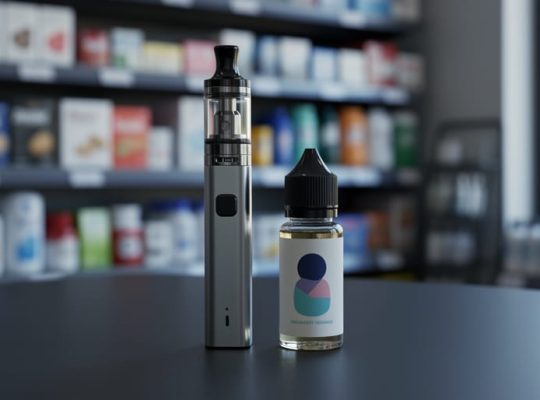
Close-up of a modern vaping device on a dark tabletop with a softly blurred retail shelf in the background.

How Vaping Regulations Are Reshaping the Industry Right Now

The vaping industry in 2026 stands at a crossroads, shaped by tightening regulations in some regions and market expansion in others, while millions of adults continue choosing vapor products as an alternative to combustible cigarettes. Understanding both the legal landscape and market shifts matters if you’re transitioning from smoking or simply want to know how the products you use fit into a broader, evolving picture.
The legal framework varies dramatically by location. Some countries have embraced harm reduction policies that recognize vaping’s role in helping smokers quit, while others have imposed flavor bans, …

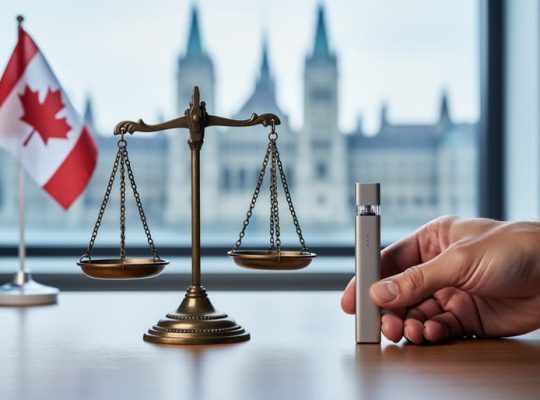
Adult hand placing a vape device next to brass scales of justice on a wooden desk, with a small Canadian flag and blurred parliament-style architecture in the background under soft daylight.

How Canadian Vaping Regulations Are Reshaping Your Freedom to Choose

Understanding Canada’s vaping regulations protects your access to products while keeping you compliant with federal and provincial laws. Check your provincial government website monthly for regulation updates, as requirements for product availability, flavour restrictions, and purchasing locations change frequently across different regions. Verify that any vaping product you purchase displays Health Canada’s required warning labels and nicotine concentration information—products without proper labeling are illegal and potentially unsafe.
Know that federal law prohibits vaping product sales to anyone under 18, while …

In Which Countries Is CBD Oil Legal?

With each passing day, more and more benefits of cannabinoids are being discovered. CBD oil has been known to have a lot of health benefits, yet its legality is still largely controversial. While some countries have frowned at the use of Cannabis, even for health or recreational purposes, others accept this innovative wellness practice. Here are some countries where CBD oil is legal.
Canada
CBD oil is legal in Canada for both medical and recreational use. Due to the Cannabis Act of 2018, the cultivation and sales of all cannabinoids…

Health Canada Proposes Nicotine Cap

Health Canada proposed a nicotine cap at 20mg in vaping products. This move was made after Nova Scotia and British Columbia started implementing caps in their provinces. These two provinces also prohibited non-tobacco flavors. The aim of this nicotine cap is to prevent teens from vaping. During the 75-day listening period, the public can express what they think about the proposal.
At present, vaping products are allowed to have 66 mg nicotine content. Health Canada was alarmed by the increase in the number of youth vaping in Canada. According to David Hammond’s report, the increase in vaping youth reaches 11% just in the past …

Florida Tries Regulating E-Cigarettes Again After DeSantis Veto

The legislature of Florida considers drafting new regulations when it comes to vaping after DeSantis vetoed a bill that bans flavored vaping products. He said that it was “too restrictive.” In this new bill, the shops that are offering vaping products would be required to acquire a special license so that they can start selling e-cigarettes. The shops will not be required to pay a fee for the special license. Penalties for violators were also not mentioned. This is the reason why many people think that this new bill will be ineffective.
The new bill also proposes to raise the minimum age to buy vaping products to 21. If …

Tobacco Regulations in China Updated, E-Cigarette Industry Affected

The government of China has announced that there would be updates on their tobacco regulations following the rise of the e-cigarette industry in the country and the e-cigarette makers aren’t happy about it. In fact, on the day the news was announced, RXL Technologies’ stock dropped by 40%.
Just last year, the government introduced 2 policy initiatives. The first one is about banning the sales of e-cigarettes online and the prohibition of its online marketing. The second one was about the investigation of e-cigarette safety.
Further details of the plan have not yet been announced. Despite that, investors have …