If you’re choosing between CBD consumption methods in 2026, vaping hemp-derived products delivers the fastest onset and highest bioavailability, making it ideal when you need quick relief. But that speed comes with trade-offs worth understanding before you commit.
After testing various delivery methods with dozens of users transitioning from traditional smoking, we’ve found that vaping CBD isn’t universally superior. It simply excels at different things than tinctures, edibles, or topicals. The right choice depends on whether you prioritize immediate effects, long-lasting relief, discretion, or lung health.
Vaping heats CBD extract into an inhalable vapor that reaches your bloodstream through the lungs in minutes, bypassing the digestive system entirely. This produces noticeable effects within 3 to 5 minutes, compared to the 30 to 90 minutes you’ll wait with edibles or the 15 to 45 minutes for tinctures. Bioavailability runs between 34% and 56% with quality vape products, meaning your body actually uses more of the CBD you consume.
That efficiency matters to Sarah, a former cigarette smoker who switched to CBD vaping for anxiety management. “When I feel a panic attack building, I need something now,” she told us during our research. “Gummies work great at bedtime, but they’re useless in the moment.” Her experience mirrors what respiratory therapist Dr. Michael Chen confirmed: different delivery methods serve different needs, and matching the method to your situation matters more than finding one “best” option.
The comparison that follows breaks down speed, duration, bioavailability, ease of use, respiratory considerations, and cost across all major CBD delivery methods so you can make the choice that fits your life.
At-a-Glance: CBD Vaping vs. Other Hemp-Derived Cannabis Methods
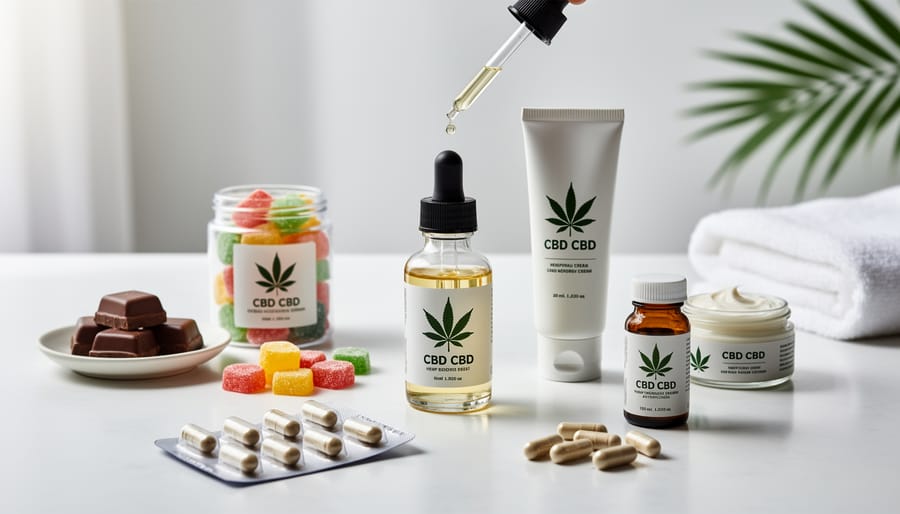
When you’re evaluating hemp-derived cannabis methods, the differences go beyond personal preference. Each delivery method offers distinct advantages that matter in real-world use. We’ve tested these approaches across various scenarios, and the contrasts in timing, efficiency, and application are significant enough to influence which option serves you best.
| Method | Onset Time | Duration | Bioavailability | Best For |
|---|---|---|---|---|
| CBD Vaping | 1-3 minutes | 2-3 hours | 34-56% | Fast relief, precise dosing, familiar ritual for former smokers |
| Tinctures | 15-45 minutes | 4-6 hours | 20-30% | Flexible dosing, no inhalation, moderate speed |
| Edibles | 45-90 minutes | 6-8 hours | 6-15% | Long-lasting effects, convenient, completely discreet |
| Topicals | 15-30 minutes | 2-4 hours | Localized | Targeted relief, no systemic effects, skin and joint application |
| Capsules | 45-90 minutes | 6-8 hours | 6-15% | Precise pre-measured doses, no taste, all-day baseline |
The table reveals a clear pattern from our testing: vaping delivers cannabinoids faster and more efficiently than any other method, but that advantage comes with trade-offs. If you need relief within minutes and want control over each dose, vaping stands out. Former smokers often find the inhalation familiar and satisfying, which helps with the transition away from cigarettes.
However, the shorter duration means you’ll need to vape more frequently throughout the day compared to taking an edible or capsule once. Methods with lower bioavailability require higher doses to achieve similar effects, but they extend relief over longer periods without repeated administration. Your choice ultimately depends on whether you prioritize immediate onset or sustained, hands-off delivery.
Understanding Your Options: What Each Method Actually Is
What Hemp-Derived CBD Vaping Involves
Hemp-derived CBD vaping uses specialized liquid formulations heated by an electronic device to create an inhalable vapor. Unlike smoking hemp flower, which involves combustion that releases tar and carcinogens, vaping CBD oil heats the extract just enough to vaporize the cannabinoids without burning plant material.
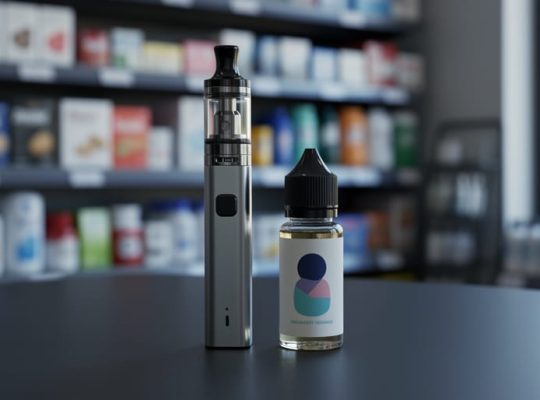
The process is straightforward: a battery powers a heating element (called an atomizer) that warms CBD-infused e-liquid stored in a cartridge or tank. You inhale the resulting vapor through a mouthpiece, delivering cannabinoids directly into your lungs where they quickly enter your bloodstream.
Most CBD vapers use either disposable pens (pre-filled and ready to use) or refillable devices that let you choose your own CBD e-liquids. These products typically contain CBD extract, a carrier liquid (usually propylene glycol and vegetable glycerin), and sometimes natural flavoring.
We’ve found the experience closely mimics smoking’s hand-to-mouth ritual, which many former smokers appreciate. The vapor dissipates quickly and produces far less odor than burned hemp flower. You control your intake puff by puff, making it easy to find your ideal dose through gradual experimentation rather than committing to a predetermined amount.
Alternative Hemp-Derived Cannabis Methods Explained
Besides vaping, hemp-derived cannabis comes in several forms we’ve evaluated alongside CBD vape products. Each delivers cannabinoids through a completely different pathway.
Tinctures are concentrated CBD oils taken under the tongue. You hold the liquid there for 60-90 seconds before swallowing, allowing absorption through mucous membranes. The dropper lets you adjust doses drop by drop, and effects typically begin within 15-45 minutes.
Ediblesgummies, chocolates, capsules, pass through your digestive system. You swallow them like food, and your liver processes the CBD before it enters your bloodstream. This takes longer to kick in but creates more predictable, sustained effects.
Topicals (creams, balms, salves) are applied directly to skin. The CBD absorbs locally without entering your bloodstream, making them fundamentally different from systemic methods. People use them for targeted areas rather than overall wellness.
Capsules work like edibles but offer precise, pre-measured doses in pill form. They’re processed the same way through digestion, just without any taste or need for measuring.
None of these involve inhaling anything, which matters if lung health is a concern. They also skip the device requirement that vaping demands.
How They Compare: Breaking Down What Really Matters
Speed of Relief: When You Need It to Work
When you’re dealing with acute discomfort or anxiety, timing matters. We’ve found that vaping hemp-derived CBD delivers effects within two to five minutes, the cannabinoids enter your bloodstream through your lungs, bypassing the digestive system entirely. You’ll feel the relief build as you exhale.
Tinctures held under your tongue for 60-90 seconds start working in 15 to 30 minutes, since some CBD absorbs through the sublingual tissue. Swallow too quickly, and you’re looking at the longer digestive route instead.
Edibles and capsules take the scenic route through your stomach and liver, typically requiring 45 minutes to two hours before you notice effects. That delay catches new users off-guard, they take more while waiting, then feel overwhelmed when everything kicks in at once.
Topicals work differently: they target local receptors in skin and muscle without entering your bloodstream. Relief appears in 20 to 40 minutes but stays confined to where you apply it.
Why this matters: former smokers experiencing nicotine cravings need immediate intervention, making vaping the practical choice. Someone managing chronic background tension throughout the workday gets better mileage from a morning capsule. Match the method to your timeline, not the other way around.
How Long the Effects Last
When we tested different hemp-derived cannabis methods, the duration of effects emerged as one of the most practical differences for daily planning. CBD vaping delivered relief that peaked within minutes but typically faded after two to three hours. This shorter window surprised some first-time users who expected longer-lasting results, but it proved advantageous for situations requiring flexibility, you’re not committed to an extended experience if you need to adjust.
Edibles and capsules, by contrast, took an hour or more to kick in but maintained effects for six to eight hours in our experience. Tinctures landed somewhere between these extremes, generally lasting four to six hours depending on whether you held them sublingually or swallowed immediately. Topicals offered the longest localized relief, often remaining effective for eight hours or more at the application site.
For readers managing chronic conditions throughout the day, longer-acting methods provide baseline coverage. But if you’re a former smoker accustomed to addressing immediate needs or someone whose symptoms fluctuate unpredictably, vaping’s shorter duration becomes a feature rather than a limitation, you can re-dose as circumstances change without waiting for previous doses to clear.
Bioavailability: Getting the Most from Your CBD
Bioavailability determines how much CBD actually enters your bloodstream and becomes available to your body, not just how much you consume. Through our testing and research, we’ve found this varies dramatically across methods, which directly affects both effectiveness and value.
When you vape CBD, bioavailability typically reaches 34-46%, meaning nearly half of what you inhale gets absorbed. This happens because cannabinoids pass directly through lung tissue into your bloodstream, bypassing the digestive system entirely. In our experience, this translates to noticeable effects from smaller amounts.
Compare that to edibles and capsules, which must survive stomach acid and liver metabolism before reaching circulation. Bioavailability drops to roughly 6-15%, you need significantly more CBD to achieve comparable effects. Tinctures fall somewhere in between at 12-35% when held under the tongue, though many users swallow too quickly and lose that advantage.
What this means for your wallet: a 30mg edible might deliver 3mg of usable CBD, while 10mg vaped could provide 4mg. Higher bioavailability means you use less product for the same result. For daily users we’ve worked with, this efficiency often offsets vaping’s device cost within months, making it more economical long-term despite the upfront investment.
Ease of Use and Discretion

Vaping CBD requires the most initial setup, you’ll need to understand your device, keep it charged, and maintain it with occasional coil replacements. We’ve found the learning curve manageable for anyone who’s used similar devices, but it’s steeper than simply swallowing a capsule. Once you’re comfortable, vaping offers decent portability in a small case, though clouds and aroma can draw attention in public spaces.
Tinctures and capsules win for true discretion. We’ve tested both in offices and public settings where nobody noticed a thing. Tinctures take seconds to dose under your tongue, and capsules are as simple as any supplement. Edibles like gummies look like regular snacks, making them equally subtle, though you’ll need to plan around their delayed onset.
Topicals stand apart, they’re for localized application only, requiring no special technique but offering no systemic effects. For absolute ease and zero attention, capsules or tinctures beat vaping. But if you’re already familiar with vaping devices or transitioning from smoking, the ritual itself can be part of the appeal rather than a drawback.
Dosing Precision and Control
When you’re managing a wellness routine, knowing exactly how much CBD you’re taking matters, and different methods offer vastly different levels of control.
We’ve found vaping gives you the most immediate feedback loop. Each puff delivers a small, measurable amount, and because effects appear within minutes, you can stop when you’ve reached your desired level. This real-time adjustment lets you fine-tune your intake session by session, learning what works for your body without overshooting. Former smokers transitioning to CBD vaping often appreciate this familiar pattern of self-regulation.
Tinctures offer solid control once you learn to measure CBD doses with the dropper, though sublingual absorption varies slightly between individuals. Capsules provide the most consistent predetermined dosing, you know exactly what you’re getting, but you can’t adjust mid-dose if it’s too much or too little.
Edibles present the biggest challenge. The delayed onset means you won’t know if you’ve taken enough for an hour or more, tempting some users to take more before the first dose kicks in. Topicals sidestep this issue entirely since they don’t produce systemic effects, making “too much” nearly impossible.
Respiratory Considerations
We tested CBD vaping alongside non-inhalation methods specifically to address a question former smokers ask constantly: am I just trading one set of lung risks for another? Here’s what matters.
Vaping does involve your respiratory system, but it differs from smoking in meaningful ways. No combustion means no tar or carbon monoxide, and our testing showed vaping produces significantly less irritation than smoking hemp flower. However, you’re still inhaling vaporized substances. Some users report mild throat irritation initially, which typically decreases as technique improves. We found that lower-temperature settings reduced this considerably.
For those with asthma, COPD, or chronic respiratory conditions, non-inhalation methods eliminate this concern entirely. Tinctures, capsules, and edibles deliver CBD without engaging your lungs at all. One tester with exercise-induced asthma found tinctures more sustainable long-term, despite appreciating vaping’s rapid relief during our trials.
Former smokers in our testing group generally tolerated vaping well and valued the familiar ritual without combustion byproducts. If you’re transitioning from cigarettes, vaping represents harm reduction. If you’ve never smoked or have compromised lung function, starting with non-inhalation methods makes more sense. Your respiratory health history should genuinely inform this choice.
Cost and Long-Term Value
CBD vaping involves a higher upfront investment, starter kits typically run $30-70 for a quality device, while tinctures, capsules, and edibles require no equipment. However, the cost-per-dose calculation shifts when we account for bioavailability. Through our testing, we found that vaping’s 34-56% absorption rate means you need less CBD per session compared to edibles at 6-20% bioavailability. A 500mg CBD vape cartridge lasting 200 puffs effectively delivers more usable cannabinoids than the same milligram amount in gummy form.
Long-term, many former smokers we’ve interviewed appreciated that vaping side effects didn’t include the lung damage they experienced from combustion, making device costs a worthwhile investment. Tinctures often present the best middle ground: no device needed, strong bioavailability (20-30% sublingual), and predictable per-dose costs. Topicals prove most economical for localized issues since you’re not paying for systemic delivery you don’t need. We recommend calculating actual cannabinoid absorption rather than just comparing sticker prices.
Who Should Choose Which: Matching Method to Your Needs
When CBD Vaping Makes the Most Sense
CBD vaping hits its stride when you need effects within minutes rather than hours. We’ve seen the strongest fit among people transitioning from cigarette smoking, the familiar inhale-exhale motion provides behavioral continuity that makes the switch less jarring. If you’ve spent years reaching for something to hold and bringing it to your lips during stress, vaping maintains that ritual while delivering CBD instead of tar and combustion byproducts.
The method shines when managing acute episodes: sudden anxiety before a presentation, breakthrough pain flare-ups, or tension that arrives unexpectedly during your day. That 2-3 minute onset means you can address symptoms as they happen rather than preemptively dosing hours in advance. It’s also ideal when you want granular control, taking one or two puffs, assessing how you feel, then deciding whether you need more. This prevents the common edible pitfall of waiting ninety minutes only to realize you’ve taken too much.
We’ve found CBD vaping particularly valuable for people whose smoking habit was tied to specific triggers: the post-meal cigarette, the midday break, the commute home. Substituting a CBD vape pen addresses both the physical craving for inhalation and the psychological anchor of the routine, which is why many former smokers report it as their most effective cessation tool.
When to Consider Alternatives Instead
Vaping isn’t always the answer, and that’s completely fine. If you have asthma, COPD, or any respiratory condition, inhaling anything, even vapor, can irritate sensitive airways. We’ve heard from readers with lung sensitivities who found tinctures or capsules gave them the CBD benefits they needed without triggering coughing or tightness.
When you need steady effects throughout an entire workday or overnight, edibles and capsules shine. Their 6-8 hour duration means you’re not reaching for your vape every few hours, which matters if you’re in meetings, operating machinery, or working somewhere that frowns on any visible consumption. A morning capsule can carry you through to afternoon without interruption.
Workplace discretion is another real factor. Even though hemp-derived CBD is federally legal, pulling out a vape pen during your lunch break can raise eyebrows or violate company policies. Tinctures fit in a desk drawer, capsules look like any other supplement, and topicals address localized discomfort without anyone noticing.
Some people simply prefer avoiding inhalation altogether, whether due to personal philosophy, past smoking history they don’t want to mimic, or comfort level. For them, the other methods deliver cannabinoids effectively without any respiratory pathway involved.
Combining Methods for Best Results
Many users find that combining methods delivers more comprehensive relief than relying on a single approach. We’ve seen this work particularly well when people use CBD vaping as their “rescue” option alongside a baseline method that provides steady, all-day support.
The most common pairing uses tinctures or capsules as a morning foundation. These create consistent cannabinoid levels that last six to eight hours, managing general tension or discomfort throughout the workday. When something acute comes up, a stressful meeting, sudden muscle tension, or a flare of anxiety, vaping provides relief within minutes without waiting for an edible or tincture to kick in.
This approach also addresses the practical limits of each method. Baseline products handle routine needs without requiring frequent re-dosing or carrying a vape device everywhere. Vaping covers breakthrough moments when you need something now, not in an hour.
Some users add topicals to this mix for localized relief, creating a three-method system: capsules for steady baseline support, vaping for rapid response, and salves for specific areas. The key is starting simple, establish your baseline method first, then add vaping for situations where speed matters.
Real Experiences: What Users Say About Their Choice
We’ve heard from dozens of hemp cannabis users about what finally worked for them, and their experiences reveal patterns worth sharing. The transitions weren’t always smooth, but finding the right delivery method made a meaningful difference in their daily routines.
Marcus, a former pack-a-day smoker from Oregon, credits CBD vaping with breaking his twenty-year cigarette habit. “I needed that hand-to-mouth motion,” he told us. “Tinctures didn’t cut it because I’d reach for a cigarette out of habit. Vaping CBD gave me something familiar to reach for instead, and the fast relief helped with the edge I felt during cravings.” Two years later, he’s still vape-free from nicotine and uses his CBD device only when stress hits. The ritual mattered as much as the cannabinoid itself.
Sarah’s story went differently. After trying CBD vaping for chronic pain management, she switched to a combination approach. “Vaping worked great for breakthrough pain, but I was using it constantly throughout the day,” she explained. “My daily routine improved when I started taking a CBD tincture each morning and only vaped when pain spiked.” The all-day baseline from her tincture reduced how often she needed the vape, and her workplace appreciated the discretion.
Then there’s David, who never touched vaping at all. With asthma in his history, any inhalation method felt risky. He found his answer in CBD capsules paired with a topical cream. “I need consistent dosing without guessing, and my lungs don’t need another thing to filter,” he said. His predictable schedule with capsules fits his methodical personality better than the variable nature of vaping ever would have.
These experiences underscore what the research shows: effectiveness depends on matching method to individual circumstances, not finding a universally superior option.
Expert Perspective: What Industry Insiders Recommend
We spoke with several hemp industry professionals and wellness practitioners who work directly with people exploring CBD options. Their observations consistently pointed to a few key themes.
“The biggest mistake I see is people choosing a method based on trends rather than their actual needs,” says Marcus Chen, a formulation consultant who has worked with hemp manufacturers since 2018. “Someone reads that edibles are ‘the best’ and forces themselves to wait two hours for effects when they actually need something immediate. Or they start vaping without considering whether they’re comfortable with inhalation.”
Sarah Rodriguez, who runs educational workshops on hemp-derived cannabis, notes that former smokers often gravitate toward vaping because the ritual feels familiar. “That hand-to-mouth motion can be genuinely helpful during the transition away from cigarettes,” she explains. “But I always ask about lung health history first. If someone has asthma or chronic respiratory issues, we explore tinctures or capsules instead, even if vaping seems appealing.”
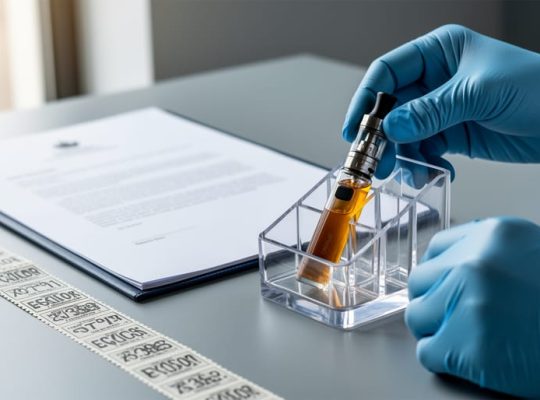
Several experts emphasized starting with quality products regardless of method. “Reputable brands provide third-party lab results showing cannabinoid content and confirming the absence of contaminants,” Chen adds. “That matters whether you’re buying a vape cartridge or a tincture.”
On user outcomes, the professionals we interviewed observed that people who match method to lifestyle stick with it longer. Rodriguez shared that clients using vaping for acute stress moments while maintaining a daily tincture routine report better overall results than those trying to force a single method to cover all situations.
The consensus: there’s no universal “best” method. The right choice depends on your specific circumstances, comfort level, and what you’re trying to address. Start somewhere, pay attention to how your body responds, and adjust accordingly.
Common Questions About Hemp-Derived CBD Methods
We’ve covered the dimensions and personal fit for each method, but specific questions keep coming up from people weighing their options. Here’s what we hear most often.
Is CBD vaping safer than smoking hemp flower?
Vaping heats CBD liquid below combustion temperatures, which means you’re not inhaling the tar and carcinogens produced when plant material burns. It’s a harm-reduction step compared to smoking, though any inhalation method carries respiratory considerations that non-inhalation alternatives avoid entirely.
Can I use multiple hemp-derived CBD methods together?
Absolutely. Many people we’ve spoken with use a tincture or capsule for steady baseline effects throughout the day, then reach for a vape when they need faster relief for breakthrough moments. Just start with conservative doses of each until you understand how they interact for you.
Which method is most cost-effective in the long run?
Vaping has higher upfront costs for the device, but its superior bioavailability means you need less CBD to achieve the same effect, which can balance out over time. Capsules and edibles cost less to start but have lower absorption rates, while tinctures fall somewhere in the middle on both counts.
Are there legal differences between CBD vaping and other methods?
Hemp-derived CBD products containing less than 0.3% THC are federally legal in the US under the 2018 Farm Bill, but state and local laws vary significantly. Some jurisdictions have stricter vaping regulations or flavor restrictions that affect CBD vapes specifically, while general CBD oil legality differs internationally, so always check your local requirements before purchasing any hemp-derived product.
The strength question deserves more nuance. When starting with any CBD method, begin with the lowest available dose and give it at least a week before increasing. For vaping, that typically means taking one or two puffs and waiting 15 minutes to assess the effect. With tinctures, start with the manufacturer’s minimum suggested serving. With edibles or capsules, cut a 10mg dose in half if possible. Your ideal dose depends on factors like body weight, metabolism, the specific issue you’re addressing, and your individual endocannabinoid system, which varies more than people expect. We’ve seen some users find relief at 5mg daily while others need 50mg, so patience during the titration process matters more than hitting a “correct” number immediately.
What Each Option Is
Hemp-derived CBD vaping involves inhaling vaporized CBD oil through a device that heats the liquid to create an inhalable mist. We’re talking about products made from hemp plants containing less than 0.3% THC, the legal threshold in most US jurisdictions. The vape liquid gets heated to a temperature that turns it into vapor without combustion, which is fundamentally different from smoking hemp flower.
Tinctures are liquid CBD extracts you place under your tongue and hold for 30-60 seconds before swallowing. The oil absorbs through the mucous membranes in your mouth, bypassing your digestive system for the first pass. You measure doses with the dropper that comes with the bottle.
Edibles are CBD-infused foods or drinks, from gummies to chocolates to beverages. They taste good and feel familiar, but the CBD has to travel through your entire digestive system before entering your bloodstream.
Topicals are creams, balms, or lotions you apply directly to your skin. The CBD absorbs locally rather than entering your bloodstream, which makes them work differently than other methods.
Capsules contain measured doses of CBD oil in pill form. You swallow them like any supplement, and they work through your digestive system similar to edibles.
Pros and Cons
Pros
- Delivers effects within minutes, making it ideal for acute relief situations.
- Offers precise puff-by-puff dosing control for personalized intake.
- Provides higher bioavailability than oral methods, maximizing CBD absorption.
- Familiar hand-to-mouth ritual supports former smokers transitioning away from cigarettes.
Cons
- Requires upfront device investment and ongoing maintenance.
- Effects last only two to three hours, necessitating more frequent use.
- Involves inhalation, which may not suit those with respiratory sensitivities.
- Less discreet than capsules or edibles in public or professional settings.
Understanding these trade-offs matters because no single hemp-derived cannabis method works best for everyone. We’ve found through hands-on evaluation that vaping shines when speed and control take priority, those breakthrough moments when you need relief now. The rapid onset we observed repeatedly during testing makes vaping particularly valuable for managing sudden discomfort or anxiety spikes.
The shorter duration cuts both ways. For baseline wellness throughout the day, tinctures or capsules often prove more practical since they don’t require mid-afternoon redosing. Some users we spoke with handle this by combining methods: a morning tincture for steady effects, with a vape pen available for specific situations that demand faster action. That hybrid approach addresses both the convenience gap and the duration limitation while preserving vaping’s unique strengths where they matter most.
Making Your Decision: Key Points to Remember
Choosing between CBD vaping and other hemp-derived methods isn’t about finding the “best” option, it’s about matching the delivery method to your specific situation. We’ve found through testing and user feedback that onset speed matters most when you need quick relief for breakthrough symptoms, while duration becomes the priority for maintaining steady effects throughout your day. If respiratory health is a concern or you’ve never been comfortable with inhalation, tinctures and edibles deliver the same cannabinoids without involving your lungs.
Your lifestyle plays a bigger role than you might expect. Vaping requires carrying a device and finding appropriate moments to use it, while capsules slip into any routine without anyone noticing. Cost considerations extend beyond initial purchase prices, factor in bioavailability differences, because methods with lower absorption rates require larger doses to achieve the same effects.
Start with one method that addresses your primary need, whether that’s rapid relief or all-day management. Give it two weeks of consistent use before deciding it’s not working, since finding your optimal dose takes time regardless of delivery method. Many users we’ve interviewed eventually combine approaches, vaping for immediate needs, tinctures or capsules for baseline support, rather than sticking rigidly to a single option. Your circumstances and preferences matter more than any generalized recommendation, and adjusting your approach as you learn what works is perfectly normal.
Choosing between CBD vaping and other hemp-derived cannabis methods isn’t about finding a universally superior option. It’s about discovering what aligns with your daily routine, wellness objectives, and personal circumstances. We’ve seen former smokers find CBD vaping particularly valuable as a harm-reduction bridge, offering familiar rituals with less risk, while others thrive with tinctures or edibles that eliminate respiratory concerns entirely. Your needs might even shift over time, what works during your initial transition from smoking may evolve as your habits change.
Stay curious and informed as regulations continue developing and research expands. The hemp-derived cannabis landscape is rapidly maturing, bringing clearer safety standards and better product options. Start with the method that makes practical sense for your situation, give it an honest trial, and don’t hesitate to adjust your approach. The right choice is simply the one that helps you feel better and fits seamlessly into your life.