
Canada’s vape excise tax requires manufacturers, importers, and sellers of vaping products to obtain federal licensing, apply excise stamps to inventory, and pay duty calculated per millilitre of vaping liquid or per unit for devices. As of March 2025, the framework under the Excise Act, 2001 governs not only the federal duty rate but also provincial and territorial surcharges in specified jurisdictions, requiring GST/HST on top of stamped product values. If you’re in the supply chain, compliance isn’t optional. It’s a matter of registration, proper stamping, accurate reporting, and timely payment to avoid penalties that can disrupt your business and access to the Canadian market.
For many adult smokers who’ve made the switch to vaping, regulatory changes like this one can feel like a distant concern. But the reality is that excise duty directly affects the price you pay at checkout, the product selection available in stores, and even the survival of small independent vape shops that have supported your transition. Since the duty framework took effect, retailers have had to navigate new cost structures, and consumers have noticed prices climb. Understanding how the tax works and who bears the compliance burden helps you appreciate why prices have shifted and what it means for the future of harm reduction access in Canada.
This isn’t about demonizing regulation. Public health frameworks have their place, and government oversight ensures product safety and market transparency. But when excise duty adds layers of cost and administrative complexity, the ripple effects reach everyone in the vaping community, from the person who just quit a pack-a-day habit to the retailer who walked them through their first device setup. The goal here is to break down the compliance process, clarify who needs to act, explain how duty calculations work, and highlight the market realities shaping the products and prices you see in 2026. Whether you’re a business owner preparing for an audit or a consumer wondering why your favourite e-liquid costs more, this guide gives you the full picture.
Understanding the Vape Excise Tax in Canada
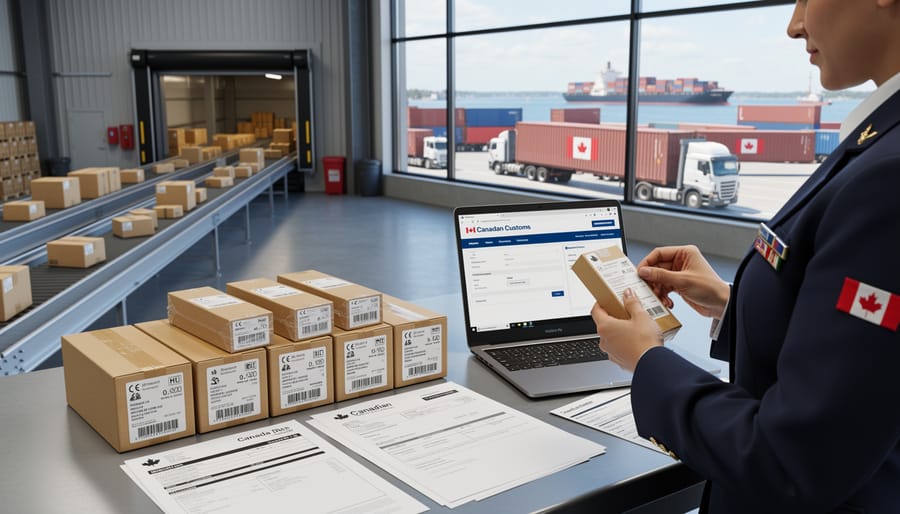
What Products Are Subject to the Duty?
Under the excise duty framework under the Act qualifying vaping products are defined broadly to capture the devices and substances Canadians use when they vape. This includes vaping devices themselves, the hardware you hold and activate, as well as the e-liquids or vaping substances that produce vapor when heated. Components matter, too: cartridges, pods, tanks, and atomizers that hold or deliver e-liquid fall under the regulations if they’re designed for use in a vaping device.
What doesn’t count? Products explicitly excluded from the framework, such as those intended solely for therapeutic use under the Food and Drugs Act or devices that don’t meet the technical definition of a vaping product, are generally not subject to the duty. CBD vaping products, for instance, may or may not be covered depending on their formulation and intended use, always verify the specifics with official guidance.
The key takeaway: if it delivers vapor through heating a substance, it likely qualifies. Manufacturers, importers, and sellers need to assess each product against the official definitions to determine their compliance obligations. When in doubt, consult the March 10, 2025 memorandum or reach out to the CRA for clarification on edge cases.
How the Duty Is Calculated
Understanding how the duty is calculated is critical for budgeting and pricing your vaping products. The federal excise duty on vaping products uses a two-part approach: a flat rate per vaping device and a volumetric rate for e-liquids. For devices, you’ll pay a set amount per unit. For e-liquids, the duty is calculated based on the volume of liquid in millilitres.
The current framework applies the volumetric rate to any e-liquid, whether sold separately or pre-filled in a cartridge or pod. This means if you sell a 30 mL bottle of e-liquid or a disposable device containing 2 mL, the duty is based on the liquid volume in each case. The rates are established in the Excise Act, 2001, and the Canada Revenue Agency provides detailed guidance on how excise duty is calculated for different product types.
In addition to the federal duty, specified provinces and territories impose their own additional duties on vaping products. If you manufacture, import, or sell stamped vaping products in these jurisdictions, you must account for and remit the additional provincial or territorial duty on top of the federal amount. This layered structure means your total duty obligation varies depending on where your products are sold. Accurate calculation requires knowing both the federal rate and any applicable provincial or territorial surcharge, then applying those to your product’s unit count or liquid volume.
Who Needs to Comply: Eligibility and Obligations
The vape excise duty framework applies to anyone involved in bringing vaping products to the Canadian market, but your specific obligations depend on where you sit in the supply chain. If you manufacture, import, or sell qualifying vaping products, the March 10, 2025 memorandum from the Canada Revenue Agency outlines distinct responsibilities for each role. Understanding which category you fall into is the first step toward meeting your legal requirements without unnecessary compliance burden.
Manufacturers of vaping products in Canada must obtain a federal excise license before producing or packaging any qualifying items. This license grants you the authority to apply for excise stamps, which you’re required to affix to most vaping products before they leave your facility. You’re also responsible for calculating and remitting the duty, maintaining detailed records of production and inventory, and filing regular returns with the CRA.
Importers face similar requirements but with an added layer of complexity at the border. If you bring vaping products into Canada, you need an excise license and must ensure products are stamped before they enter the distribution chain. The Customs Act governs special procedures for importing unstamped products, which we’ll cover in detail later. You’re accountable for duty payment at the time of importation and must coordinate with the Canada Border Services Agency to meet all compliance obligations for supply-chain roles.
Sellers and retailers occupy a different position. You typically don’t need a license, but you must verify that the products you stock carry valid excise stamps. Selling unstamped products can result in penalties, so confirming stamp authenticity protects both your business and your customers.
Here’s a quick breakdown of primary responsibilities by role:
- Manufacturers: obtain license, apply stamps, calculate and remit duty, maintain production records
- Importers: secure license, manage border procedures, ensure stamping compliance, coordinate with CBSA
- Sellers: verify stamp validity, maintain purchase records, avoid unstamped inventory
The framework recognizes that not everyone operates in just one category. If you both manufacture and import, or if you handle wholesale distribution after importing, you may need to meet multiple sets of requirements. The CRA evaluates your actual business activities, not just your company description, when determining which obligations apply to you.
Compliance Steps: Licensing, Stamps, and Importation
Obtaining Your License
If you manufacture, import, or sell vaping products in Canada, understanding your licensing requirements is the first step toward meeting your compliance requirements under the excise duty framework. Not everyone needs a license, but the rules are specific about who does.
Who needs a license? Generally, manufacturers and importers of vaping products must obtain an excise license from the Canada Revenue Agency (CRA). If you produce vaping products in Canada or bring them into the country for commercial sale, you’ll need to apply. Retailers who only sell products that have already been stamped and taxed by a licensed manufacturer or importer typically don’t need their own license, though they still have other compliance obligations.
The application process involves submitting detailed information about your business operations, including your business structure, financial information, and security measures. The CRA reviews applications to ensure you can meet the record-keeping, reporting, and payment requirements that come with the license. Processing times vary, so plan ahead, you cannot legally manufacture or import vaping products until your license is approved.
Where to find current guidance: The March 10, 2025 memorandum from the CRA provides the most up-to-date information about licensing requirements, including eligibility criteria and application procedures. This document is your authoritative reference for understanding what the CRA expects from applicants.
Start by reviewing the memorandum thoroughly and gathering your business documentation. If you’re unsure whether your role requires a license, contact the CRA directly for clarification. Getting your license right from the start prevents costly delays and keeps your business compliant.
Ordering and Using Vaping Excise Stamps
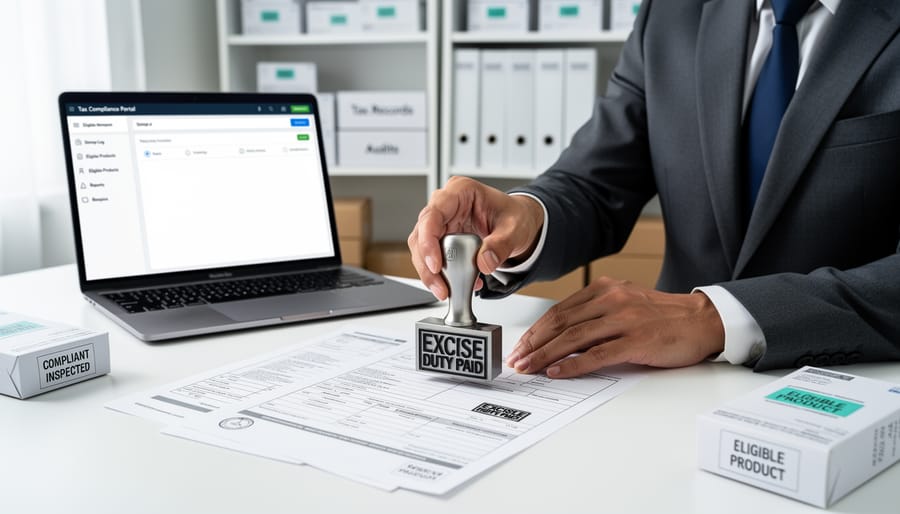
Once you have your vaping products license, the next critical step is obtaining and properly using excise stamps. These stamps serve as proof that the duty has been paid and are mandatory for most vaping products sold in Canada.
You order excise stamps directly from the Canada Revenue Agency. The process requires you to submit an order through your CRA account, specifying the type and quantity of stamps you need. Stamps are product-specific and cannot be transferred between different products or package sizes. The CRA will ship the stamps to you once your order is processed, so plan ahead to avoid inventory delays.
Stamping is required before vaping products enter the duty-paid market. If you manufacture or import vaping products, you must affix the appropriate excise stamp to each individual container before selling it to retailers or consumers. The stamp must be securely applied to the package in a manner that prevents reuse, typically, the stamp breaks or shows visible tampering if someone tries to remove it.
Proper application matters. The stamp should be placed on the package where it is clearly visible and readable. It must not obscure health warnings, ingredient lists, or other mandatory labeling. Damaged or incorrectly applied stamps can lead to compliance issues, so handle them carefully and follow CRA guidelines for placement.
Non-compliance carries real consequences. Selling unstamped products when stamping is required can result in penalties, seizure of inventory, and potential loss of your license. The CRA conducts audits and inspections to verify that products in the market carry proper stamps and that your records match the stamps you’ve ordered and used.
Keep detailed records of every stamp you receive, apply, and account for. This documentation is essential during audits and helps you stay compliant throughout the supply chain.
Importing Unstamped Vaping Products
Importing unstamped vaping products into Canada is permitted under specific circumstances, but requires careful navigation of border procedures and duty obligations. Generally, vaping products must be stamped before they enter the Canadian market, but importers can bring in unstamped products if they hold the appropriate excise license and follow the proper protocols at the border.
When you import unstamped vaping products, you must declare them to the Canada Border Services Agency and pay the applicable excise duty at the time of importation. The duty is calculated based on the volume or unit quantity of the products being imported, following the standard rates set under the Excise Act, 2001. You’ll work directly with border officials to ensure proper assessment and payment, following the customs handling of imports procedures that apply to excise goods.
Licensed importers must maintain detailed records of all unstamped imports, including commercial invoices, customs documentation, and proof of duty payment. These records are essential for your ongoing compliance obligations and may be reviewed during CRA audits. If you’re importing products that you intend to stamp yourself, you must do so promptly after importation and before the products are sold or distributed in Canada.
For businesses new to importing, it’s worth consulting with a customs broker who understands excise regulations. They can help ensure your shipments clear smoothly and that all duty obligations are met correctly from the start.
Your Rights and Obligations Under the Framework

When you’re working within the vape excise duty framework, you’re subject to a clear set of obligations designed to keep the system transparent and traceable. Understanding what you must do, and the timelines you need to follow, helps you avoid penalties and stay compliant with Canada Revenue Agency (CRA) requirements.
Record-Keeping and Reporting
Every licensee must maintain detailed records related to vaping products, including production volumes, sales, inventory movements, and stamp usage. These records must be kept for at least six years from the end of the year they relate to, and they need to be available for CRA inspection on request. You’re also required to file regular returns with the CRA, declaring your duty liabilities and providing information on your vaping product activities. The frequency and format of these returns depend on your specific license type and business volume, so confirm your reporting schedule when you apply for or receive your license.
Payment Schedules and Deadlines
Duty payments follow a structured timeline tied to your reporting periods. Most licensees file monthly returns and remit duty by the end of the following month, though quarterly or other schedules may apply to smaller operations. Missing a payment deadline triggers interest charges and potential penalties, so set up reminders or automated payments if possible.
| Requirement | Frequency | Typical Deadline |
|---|---|---|
| Excise duty return filing | Monthly (or as assigned) | End of following month |
| Duty payment remittance | Monthly (or as assigned) | End of following month |
| Record retention | Ongoing | 6 years from year-end |
| Stamp inventory reconciliation | Per return period | With each return |
GST/HST Interactions
The excise duty on vaping products is separate from GST/HST, but the two interact. When you sell a stamped vaping product, you charge GST/HST on the total price, which includes the excise duty you’ve already paid. This means the duty becomes part of the tax base for GST/HST purposes. Keep this in mind when pricing products and preparing your GST/HST returns.
Additional Provincial and Territorial Duties
Certain provinces and territories impose their own additional vaping duties on top of the federal excise duty. If you manufacture, import, or sell stamped vaping products in these specified jurisdictions, you’re responsible for calculating, collecting, and remitting the additional duty as well. The March 10, 2025 memorandum details which provinces and territories apply these extra charges and how they’re administered, so review it carefully if you operate in multiple regions.
Your Protections
While the framework is firm on compliance, you have the right to request clarifications from the CRA, seek adjustments if you’ve overpaid, and appeal decisions you believe are incorrect. The system is designed to be transparent, so don’t hesitate to ask questions or use official resources to ensure you’re meeting your obligations correctly.
Market Impact: What This Means for the Vaping Industry
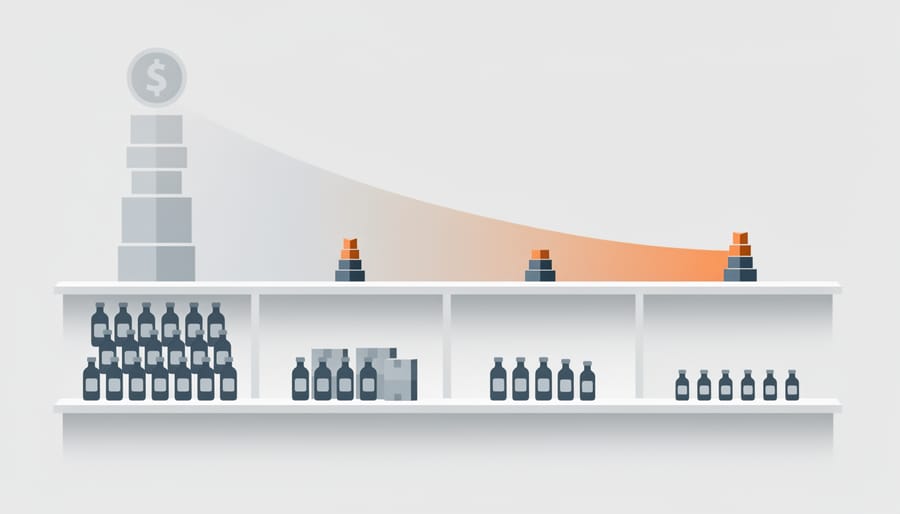
The introduction of the vape excise duty has reshaped Canada’s vaping landscape in ways that extend far beyond simple price adjustments. For manufacturers and retailers, the framework has meant navigating new compliance costs, licensing fees, stamp procurement, administrative overhead, that ultimately flow through to consumers. Many businesses report that per-unit duties and provincial surcharges have pushed retail prices upward by 20 to 30 percent in some categories, making vaping products less affordable for adults seeking alternatives to combustible tobacco.
Small businesses face particular pressure. Independent vape shops, which often operate on thin margins, must now absorb the cost of excise stamps, regulatory filings, and potential penalties for errors. Some have struggled to maintain inventory variety or competitive pricing, while others have consolidated or closed. The industry impact has been uneven: larger, vertically integrated companies can spread compliance costs across higher volumes, but smaller players risk being priced out of the market.
Consumer access has shifted as well. Higher prices may discourage some smokers from transitioning to vaping, a concern given vaping’s role as a harm reduction tool. Public health advocates worry that if cost becomes a barrier, current smokers may delay or abandon attempts to switch. At the same time, the excise framework aims to prevent youth uptake by raising prices and formalizing the supply chain. Balancing these goals, supporting adult smokers who want to quit while discouraging non-smokers from starting, remains an ongoing challenge within broader vaping regulations.
The duty’s design also affects product innovation. Some manufacturers report slowing the release of new flavours or formats, uncertain whether the investment will pencil out under excise margins. Others have streamlined offerings, focusing on high-turnover items that justify the stamp and duty expense.
Yet compliance has brought benefits, too. Legitimate businesses now compete on a more level field, with the excise system reducing the appeal of unstamped or illicit products. Clearer rules and official guidance help responsible operators plan, invest, and grow with confidence, even as they navigate higher costs and regulatory complexity.
Where to Get Help and Official Resources
Navigating the excise duty framework is easier when you know where to turn for reliable, official help. The Canada Revenue Agency (CRA) is your primary point of contact for all vaping excise duty matters, from licensing applications to stamp orders and compliance questions. Their Excise Duties and Taxes Program manages the framework and can provide clarifications specific to your situation.
Start with the CRA’s official excise duty webpage, which offers current forms, guides, and updates. The March 10, 2025 memorandum remains the definitive guidance document covering licensing, stamping, importation rules, duty calculations, and GST/HST interactions. Keep a copy on hand and review it whenever compliance questions arise.
For direct support, here are the key resources available to manufacturers, importers, and sellers:
- CRA Business Enquiries line at 1-800-959-5525 for licensing, stamp orders, and payment questions
- The Excise Duties and Taxes Program’s email contact for written clarifications and non-urgent queries
- Canada Border Services Agency (CBSA) for questions about importing unstamped vaping products and border duty requirements
- Your regional CRA Excise Office for in-person guidance and audit support
- Industry associations like the Canadian Vaping Association, which offer member resources on navigating regulatory changes
If you disagree with a CRA decision or assessment, you have the right to file an objection or request a review. The CRA’s Service Complaints Program can help resolve issues that fall outside formal appeals. Small businesses facing compliance challenges should ask about available support programs and payment arrangements.
Keep records of all communications with the CRA, including reference numbers and the names of representatives you speak with. Staying proactive and informed makes compliance manageable, even as the regulatory landscape evolves.
Frequently Asked Questions
The vape excise duty can raise many questions for businesses and consumers alike. Here are answers to the most common queries about Canada’s vaping product duty framework.
What is the vape tax in Canada?
The vape tax refers to the excise duty framework for vaping products established under the Excise Act, 2001. It’s a federal tax applied to qualifying vaping products, with additional duties imposed in certain provinces and territories.
Who has to pay the vape excise duty?
Manufacturers and importers of vaping products in Canada are responsible for paying the excise duty. The duty is typically passed along the supply chain and ultimately affects retail pricing.
What products fall under the vaping excise duty rules?
The duty applies to qualifying vaping products, which include vaping devices, e-liquids containing or designed to contain nicotine or other substances, and components specifically designed for use in vaping products. The March 10, 2025 memorandum provides detailed definitions of what qualifies.
How is the vaping duty calculated?
The duty calculation varies based on the product type and may be assessed per unit or by volume. Additional duties apply in specified vaping provinces and territories beyond the base federal rate, and GST/HST also applies to stamped products.
Understanding these fundamentals helps clarify your obligations under the framework. The duty structure was designed to apply consistently across the vaping product supply chain, from the point of manufacture or importation through to final sale.
One question that comes up frequently concerns stamping requirements. Vaping excise stamps must be ordered through the Canada Revenue Agency and properly applied to products before they enter the Canadian market. The memorandum released on March 10, 2025 details the complete process for ordering stamps, when stamping is required, and how to apply them correctly.
Another common area of confusion involves unstamped products. There are specific procedures under the Customs Act for importing unstamped vaping products, but these apply only in limited circumstances and require compliance with particular import protocols. Most products entering the market need stamps before distribution.
If you’re wondering whether you need a license, the answer depends on your role. Manufacturers and importers of vaping products require licensing under the framework, and the application process is outlined in the current memorandum. Sellers may have different obligations depending on their position in the supply chain, but everyone handling these products should understand the rules that apply to their operations.
The interaction between the excise duty and other taxes also raises questions. GST/HST applies to stamped vaping products, and businesses operating in specified vaping provinces and territories face additional provincial or territorial duties on top of the federal rate. Keeping accurate records of all these obligations is part of the compliance requirement.
For the most current and detailed answers to specific compliance questions, the March 10, 2025 memorandum serves as the authoritative source. It covers licensing requirements, stamp ordering and use, importation procedures, and the full scope of duties that may apply to your products.
Navigating Canada’s vape excise duty framework may feel daunting at first, but it’s absolutely manageable when you have the right information and support. The regulations exist, they’re detailed, and yes, they add steps to your business operations. But they’re also clear. The CRA has published comprehensive guidance, including the March 10, 2025 memorandum that walks through licensing, stamping, importation, and duty calculations. You’re not expected to figure this out alone or by guesswork.
If you’re a manufacturer, importer, or seller of vaping products in Canada, you now know what’s required: obtain the proper license, order and apply excise stamps correctly, understand when and how duty is calculated, and keep accurate records. The official resources outlined in this article are there to help you at every step. Use them. Reach out to the CRA’s excise duty helpline when you have questions. Connect with industry associations that understand the unique challenges small businesses face in a regulated market.
Compliance protects your business and ensures you can continue offering products that help adults move away from combustible tobacco. That mission matters. The vaping industry plays a vital role in harm reduction, and staying informed and compliant means you can keep serving that role effectively.
The regulatory landscape will continue to evolve, but so will the resources available to you. Stay proactive, stay informed, and remember that every step you take toward compliance is a step toward sustaining access to safer smoking alternatives for Canadians who need them.